

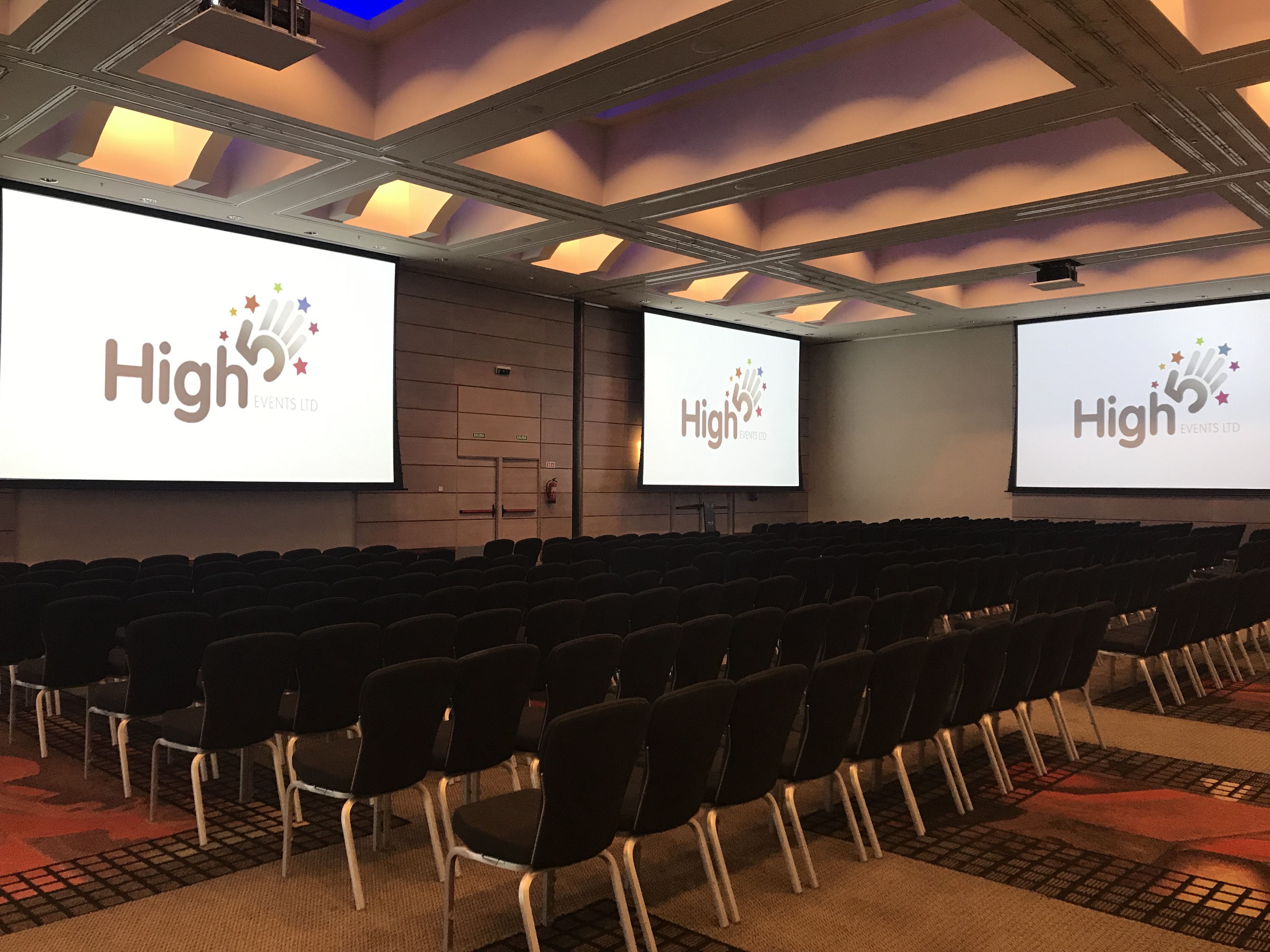
When a conference or corporate event runs well, it's easy to assume it all came together in the weeks beforehand. Delegates arrive, sessions start on time, speakers know where they need to be and everything feels calm and well organised.
What most people don't see is everything that happened long before the first delegate walked through the door.
At High 5 Events, we've spent almost 20 years helping organisations deliver conferences, meetings, congresses and corporate events across the UK, Ireland and internationally. If there's one thing we've learnt during that time, it's that good planning creates opportunities. It gives everyone more flexibility, more choice and more confidence as the event takes shape.
That doesn't mean every event has the luxury of a long lead time. We know that's not always realistic. Business priorities change, budgets are approved later than expected and opportunities sometimes arise with only a few months, or even a few weeks, to prepare. We've supported plenty of clients in exactly those situations and understand the pressures that come with them.
Where time does allow, though, starting the conversation a little earlier almost always makes the planning process easier for everyone involved.
The planning stage is where many of the important decisions are made
People often think planning begins with finding a venue, but that's rarely where the conversation starts. More often than not, our first discussion with a client is about understanding what they're actually trying to achieve, whether that's bringing colleagues together, launching a new strategy, delivering scientific education, strengthening relationships with customers or rewarding high-performing teams.
The answers shape everything that follows, because once objectives are clear, decisions about venues, accommodation, delegate registration, congress logistics, production, exhibition space and event format become much easier when everyone is working towards the same outcome.
We've found that taking a little extra time at this stage often saves considerably more time later. It helps avoid unnecessary changes, keeps projects moving in the right direction and gives everyone greater confidence in the decisions being made.
Good planning gives you more options
Starting earlier isn't really about having more time so much as it is about having more choice.
Anyone who organises conferences regularly knows that the most suitable venues are often booked well in advance, particularly when you're looking for meeting space, accommodation and good transport links in one location. The same applies to production partners, accommodation allocations and specialist suppliers.
Having more options doesn't necessarily mean spending more. In fact, it often allows organisations to make better commercial decisions because there's time to compare venues, consider different approaches and choose the solution that best supports both the budget and the delegate experience.
We've also seen occasions where a client initially had one venue in mind, only to discover through early planning that another location worked much better for the programme they wanted to deliver. Those opportunities only tend to appear when there's enough time to explore different possibilities.
Of course, if planning begins later than expected, that doesn't mean a successful event is out of reach. It simply means the approach may need to be more focused and decisions made a little more quickly, which is where experience becomes particularly valuable.
Budgets benefit from breathing space too
Budget conversations are often some of the most important discussions during the planning process, particularly when several departments are involved.
Giving yourself more time doesn't automatically reduce costs, but it does create space to make informed decisions rather than rushed ones. Whether it's comparing venue proposals, reviewing accommodation options or considering different ways to deliver the same objectives, having time to weigh up those choices usually leads to better value.
Late planning can also introduce costs that nobody anticipated, such as last-minute accommodation, changes to production schedules or limited venue availability, none of which improve the event itself even though they affect the budget.
From our experience, the organisations that achieve the best value aren't always those with the biggest budgets, but rather the ones that understand where investment will make the greatest difference and have enough time to make those decisions carefully.
Behind every successful event is a huge amount of coordination
As conferences become larger, the planning naturally becomes more detailed, and a conference for 300 delegates isn't simply a bigger version of a meeting for 30: registration needs to work efficiently, accommodation has to be coordinated, speaker schedules need careful management, and exhibition areas, business suites, breakout sessions, catering, transport and production all have to come together without delegates ever noticing the complexity behind the scenes.
Many of those elements are interconnected, so a small change in one area can have implications elsewhere, which is why having a clear project plan makes such a difference.
This is often where clients tell us they appreciate having an experienced event partner alongside them. Rather than juggling conversations with multiple suppliers, they have one team helping to coordinate every aspect of the project and keeping everyone informed as plans evolve.
Your delegates notice more than you think
Long before delegates arrive at a venue, they've already started forming an impression of the event.
Their registration experience, confirmation emails, joining instructions and travel information all contribute to how organised the event feels. If communication is clear and timely, delegates arrive knowing exactly what to expect. If information is inconsistent or arrives too late, it can create unnecessary uncertainty before the event has even begun.
We've learnt over the years that it's often the smaller details that leave the biggest impression. Clear signage, a straightforward registration process, well-managed accommodation and realistic schedules all help create an experience that feels professional without delegates necessarily noticing why.
When everything works as it should, people are free to focus on the reason they're there rather than the logistics around them.
Plans change, and that's perfectly normal
One thing we've never experienced is an event that stays exactly the same from the first planning meeting through to the day itself. Delegate numbers fluctuate, speakers change, agendas evolve and business priorities shift, sometimes months before an event and sometimes the day before, which is simply part of working in events.
Starting earlier gives everyone more flexibility to respond when plans change, but we also recognise that not every project follows an ideal timeline. Some of the events we're most proud of have come together within challenging timeframes because our clients needed support quickly and our team adapted accordingly.
For us, planning isn't about insisting on perfect conditions so much as making the most of the time available and helping clients feel confident throughout the process, whatever the timescale.
Experience is often about asking the questions others haven't thought of yet
Working across conferences, congresses and corporate events means recognising the questions that are worth asking early, often before a client has thought to ask them.
Delegate arrival patterns are one example. If several coaches are due to arrive within the same half hour, registration needs to be ready for that, not caught out by it. Exhibition layout is another. A stand positioned in the wrong spot can sit half empty all day, however good the product on it. The same goes for business suites, which only get used if delegates can actually find and reach them easily, and for the gaps between sessions, which need to allow for genuine networking rather than just a scramble for coffee.
They're not always the first questions clients ask, but they're often the ones that shape the overall experience.
Those conversations don't come from following a checklist, but from having planned similar events many times before and understanding where small decisions can make a noticeable difference later.
Working together from the start
Many of our clients tell us they value having someone to talk ideas through with before detailed planning gets underway. Sometimes that's because they need help finding the right venue, sometimes it's understanding how accommodation, registration and delegate logistics will work, and on other occasions it's simply reassuring to have an experienced team available to challenge ideas, suggest alternatives or confirm that everything is heading in the right direction.
However the conversation starts, our role remains the same: to make the planning process feel more manageable, provide practical advice where it's needed and work alongside our clients to deliver an event that achieves exactly what they set out to do.
Every event starts somewhere
No two events follow exactly the same path: some begin a year in advance with plenty of time to explore ideas, others arrive with a much shorter lead time and require decisions to be made quickly, but both can be successful with the right planning and the right support.
What we've found over nearly two decades is that giving yourself as much time as possible opens up more opportunities, reduces unnecessary pressure and allows everyone to focus on creating the best possible experience for delegates.
If time is already tight, don't assume it's too late, because we'd always rather have a conversation and explore what's possible than let a good event become a missed opportunity.